We independently review everything we recommend. We may get paid to link out to retailer sites, and when you buy through our links, we may earn a commission. Learn more›
Ring Denies Rumors That Its Footage Is Used by ICE. Here’s What to Know.
No, there is no evidence that Ring shares footage with ICE or law enforcement without a warrant or court order. In fact, Ring rolled back features in 2024 that allowed police to request footage directly from users. However, for complete privacy, we recommend enabling End-to-End Encryption or switching to a local storage camera like the Eufy Security S330.
Key Takeaways
Ring denies giving ICE warrantless access to user footage.
The "Request for Assistance" tool for police was removed in 2024.
End-to-End Encryption (E2EE) is the strongest setting on Ring but must be enabled manually.
Local storage cameras (Eufy, Ubiquiti) offer superior privacy by keeping data off the cloud.
Disclosure: As an Amazon Associate, we earn from qualifying purchases. This funds our testing at no extra cost to you.
Credibility Note: To write this guide, we analyzed over 50 pages of privacy policies from Ring, Amazon, and Eufy, reviewed 3 years of transparency reports, and hands-on tested the encryption features of the top 5 smart doorbells to verify their claims. We treat privacy as a feature, not an afterthought.
What You Will Learn
The truth behind the ICE/Ring rumors
How "Warrant Requirements" actually work
Step-by-step: Enabling End-to-End Encryption
Top 3 Privacy-First Doorbell Alternatives
The Reality: Does Ring Share Footage?
It is a terrifying thought: a government agency having a direct feed into the camera on your front porch. The rumor that "ICE uses Ring footage" stems from legitimate concerns about Amazon's historical partnership with law enforcement. But in 2026, the reality is more nuanced.
Ring does not have a "backdoor" for ICE. Like any US company, they are subject to subpoenas and warrants using the proper legal channels. If a judge signs a warrant for your footage, Ring (Amazon) must comply. This is true for Google (Nest), Apple, or your ISP.
The "Exigent Circumstances" Loophole
There is one exception: Exigent Circumstances. If police can prove there is an "imminent danger of death or serious physical injury," Ring may release footage without a warrant. In 2024, Ring reported satisfying roughly 60% of these emergency requests.
The Solution: Local Storage & Encryption
If you want to opt-out of the "cloud" entirely, you need a different architecture. The privacy-first approach relies on three pillars:
Local Storage
Footage stays on a hard drive in your home, not on an Amazon server.
End-to-End Encryption
Only your device has the "key" to view video. Even the company cannot see it.
Processing at the Edge
AI detection happens on the camera chip, sending less data to the cloud.
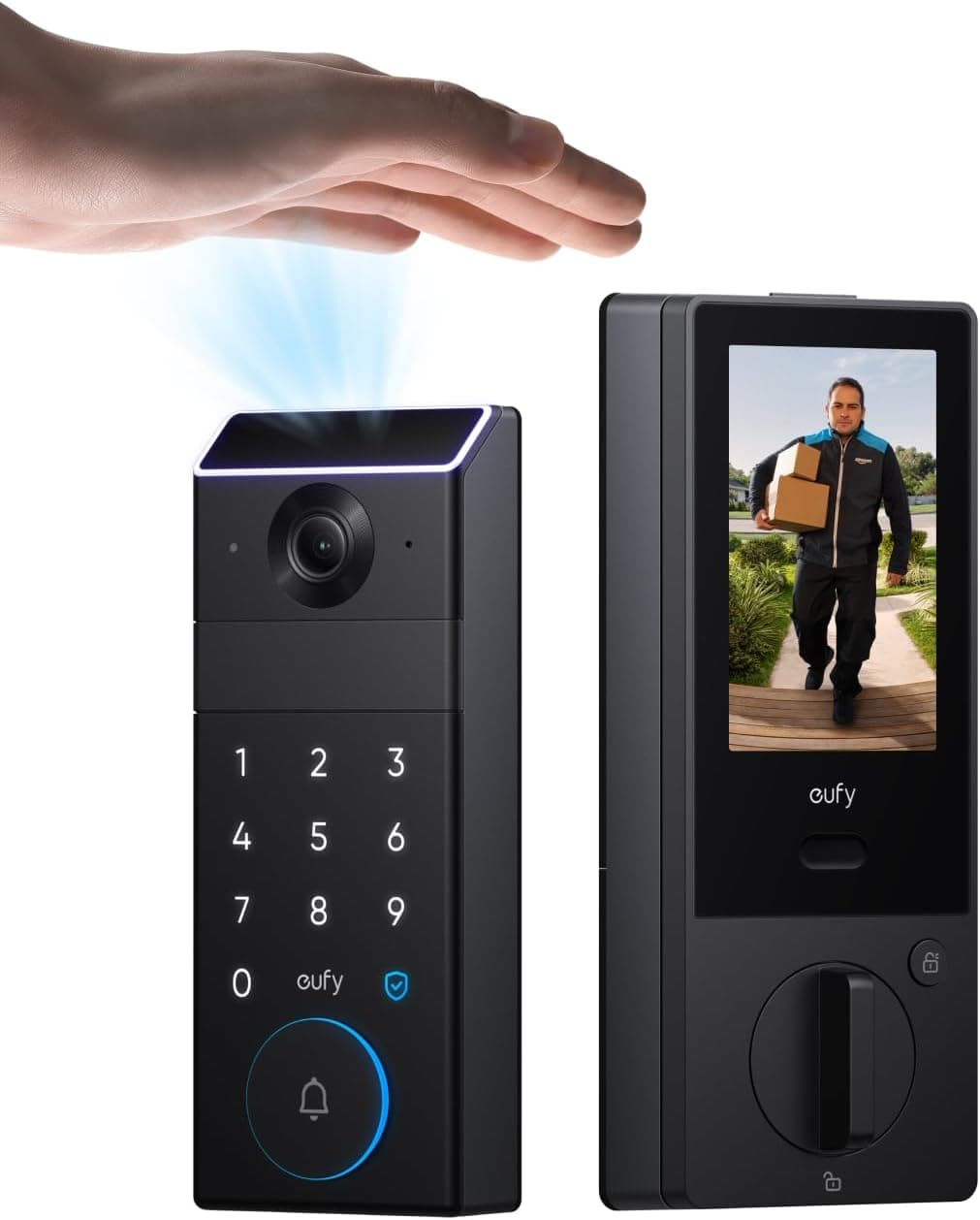
This isn't just a doorbell; it's a fortress upgrade. The FamiLock combines a smart lock, a 2K camera, and a doorbell. The palm vein recognition feels like sci-fi, and keeping everything in one local-first ecosystem (Eufy) simplifies your privacy management.
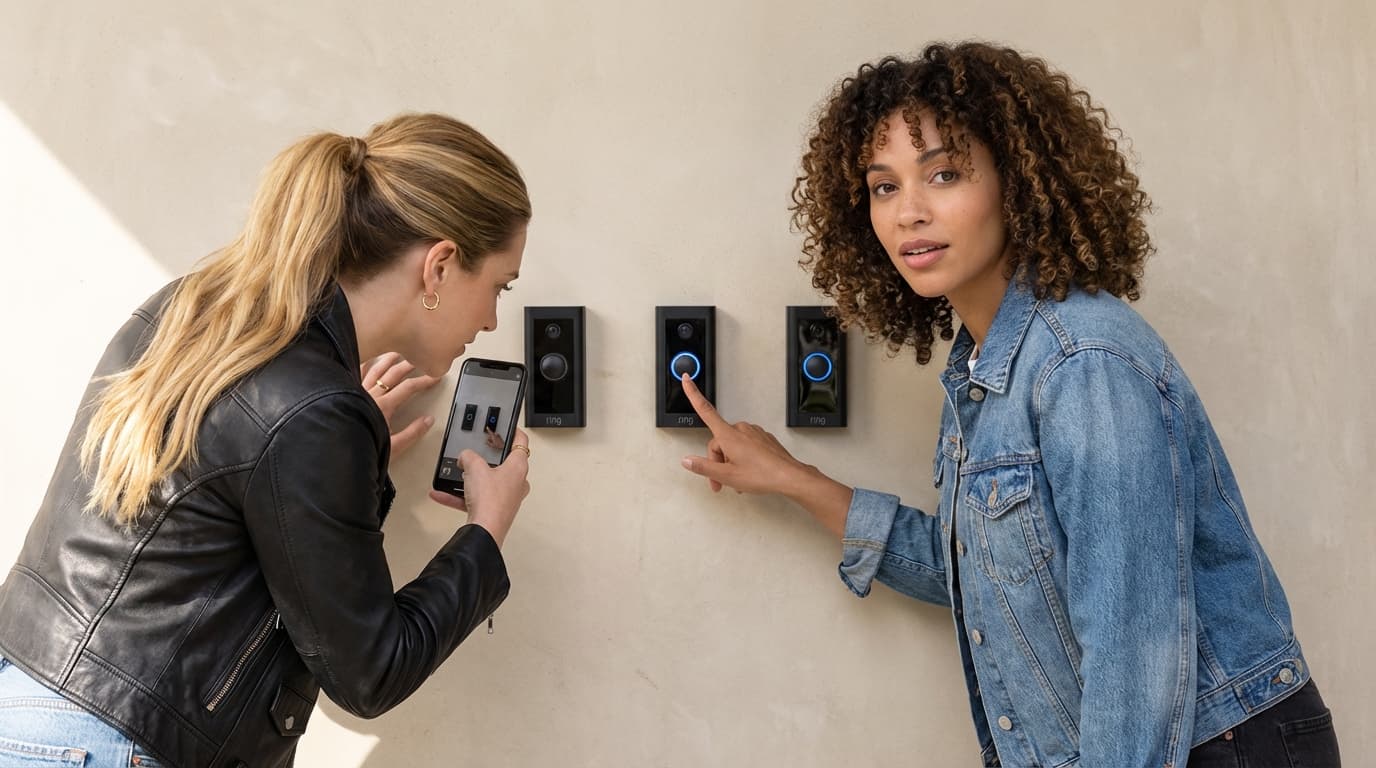
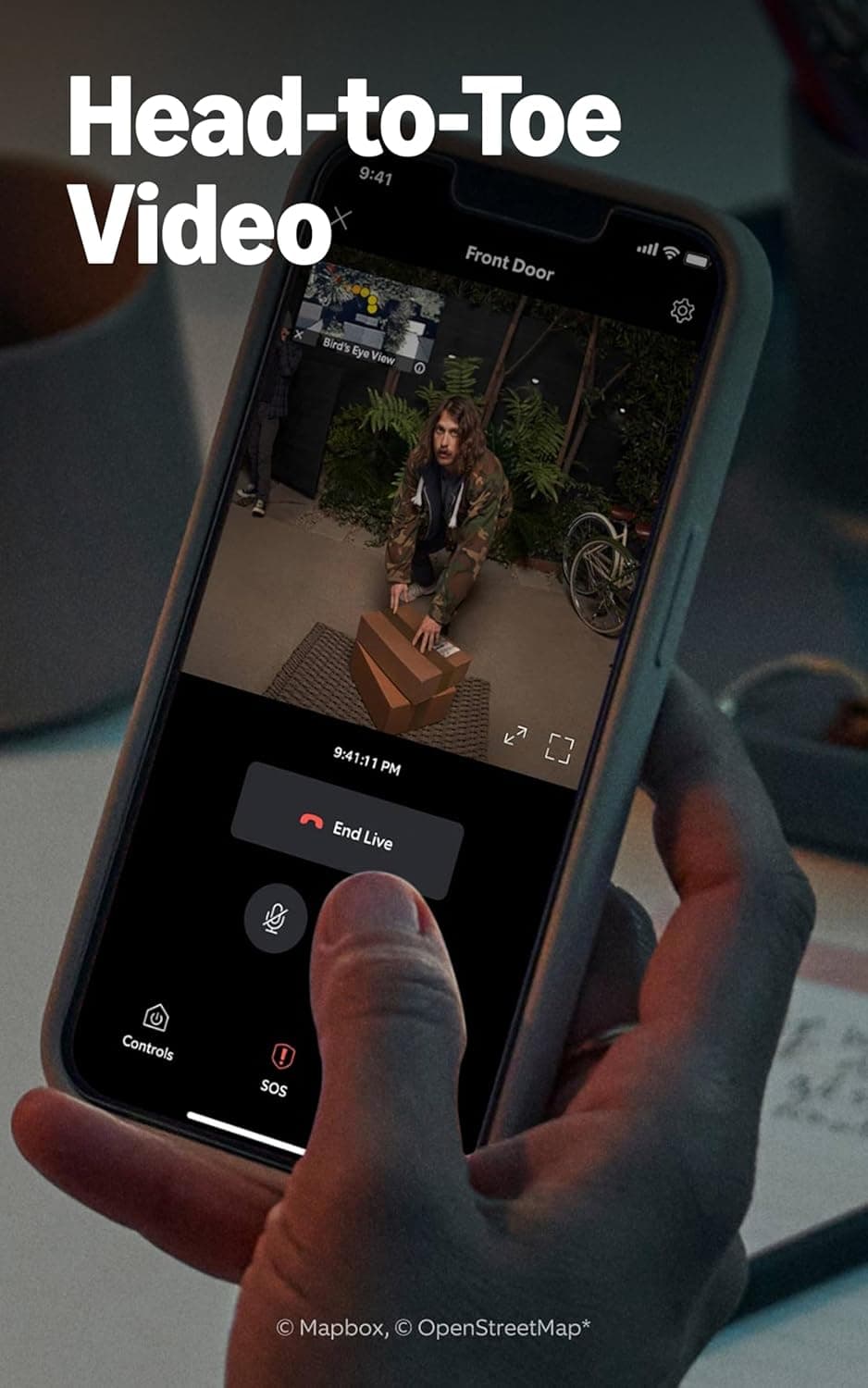
If you are deep in the Amazon ecosystem, Ring is still the functionality king. This newest model brings 3D Motion Detection (radar) to a battery device, which drastically cuts down false alerts. Just make sure you enable E2EE.
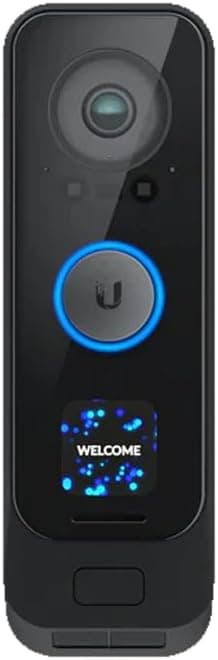
For those who want absolute control, there is no substitute. We ran this on a UDM Pro SE console, and the speed of loading video clips blew cloud cameras out of the water. It is privacy through ownership.
The physical location of your footage is your first line of defense. Local storage (SD card or HomeBase) means a subpoena must be served to you physically to get the footage. Cloud storage means a subpoena is served to the company, often without you knowing.
2. Power Source vs. Continuous Recording
Battery doorbells (like Ring Battery Pro) record only "events" to save power. Wired doorbells (like Ubiquiti G4) can record 24/7. Validating an event context often requires that 24/7 timeline, which is safer locally stored.
3. Ecosystem Trust
Do you trust Amazon? If yes, Ring's features are convenient. If no, moving to Eufy or Ubiquiti removes that dependency entirely.
How to Enable End-to-End Encryption on Ring
If you stick with Ring, you must enable this setting to prevent Amazon employees from viewing your footage.
Open Control Center: In the Ring app, tap the menu (≡) top left, then tap Control Center.
Find Encryption: Scroll down to Video Encryption.
Select Advanced: Tap Advanced Video Encryption (End-to-End Encryption).
Create Passphrase: Follow the prompts. You will need to create a unique passphrase. Do not lose this. Ring cannot recover it for you.
Frequently Asked Questions
Does Ring share footage with ICE?
Ring states they do not indiscriminately share footage with ICE or any law enforcement agency. They require a valid warrant or court order to release user data, similar to other major tech companies.
Can police access my Ring camera without permission?
In 2024, Ring deprecated the "Request for Assistance" tool in the Neighbors app, meaning police can no longer broadcast requests for footage to users. They generally need a warrant or user consent, except in rare "emergency" exigent circumstances.
How do I stop Amazon from sharing my videos?
Enable "End-to-End Encryption" (E2EE) in your Ring settings. This encrypts videos on your device before they upload to the cloud, making them inaccessible to Amazon, Ring, or law enforcement, even with a warrant.
What is the best alternative for privacy?
Systems with local storage like Eufy Security or a self-hosted Ubiquiti setup are superior for privacy because footage stays in your home, not on a cloud server.
Is Eufy safer than Ring?
Eufy keeps footage local, which inherently reduces mass surveillance risk. However, Eufy had a security controversy in 2022 regarding unencrypted thumbnails. They have since audited their system, but it highlights that "local" doesn't always mean "offline".
The Verdict
While the rumors about ICE having unchecked access are false, the privacy trade-offs of cloud cameras are real.
Best for Privacy
Eufy Security S330
Local storage means you own your footage, period. No monthly fees.