
Recovery matters as much as training for runners. Pick the wrong tools — or skip recovery entirely — and you'll spend more time nursing soreness than logging miles. This guide cuts through the noise: foam rollers, massage guns, and lacrosse balls, ranked by what actually works for running-specific muscle stress. Our guide to essential home workout equipment covers the broader picture if you're building out a full setup.
Why Recovery Tools Matter for Runners
Running stresses muscles, joints, and connective tissue in ways that accumulate fast — especially if you're training three or more days per week. Recovery tools work by breaking down adhesions, improving blood flow, reducing inflammation, and restoring range of motion before the next run. Without them, small tightness compounds into injury. Our review of portable cryotherapy devices covers cold therapy options that pair well with the tools here.
The recovery tools market has grown by 35% since 2023. That growth is real — devices now offer adjustable intensity, app connectivity, and form factors that fit in a gym bag. Whether you want a $8 lacrosse ball or a $430 heated massage gun, there's a product that matches how hard you're training and how much you want to spend. See our guide to best fitness trackers for 2025 if you want wearables to track how well recovery is working.
Key Recovery Tools for Runners
Massage Guns
Percussive therapy devices that deliver rapid, targeted pressure to muscles. Excellent for deep tissue work, trigger point release, and post-workout recovery. Best for runners with tight muscles and specific problem areas.
Foam Rollers
Self-myofascial release tools that use body weight to apply pressure to muscles. Great for large muscle groups, improving flexibility, and general recovery. Ideal for runners who prefer hands-on control and cost-effective solutions.
Massage Balls
Small, portable tools for targeted trigger point work and deep tissue massage. Perfect for runners with specific problem areas, tight spots, or those who need portable recovery options for travel.
Compression Tools
Devices that apply graduated pressure to improve circulation and reduce swelling. Excellent for post-run recovery, reducing muscle soreness, and improving blood flow to aid in the recovery process.
Top 5 Recovery Tools for Runners in 2025
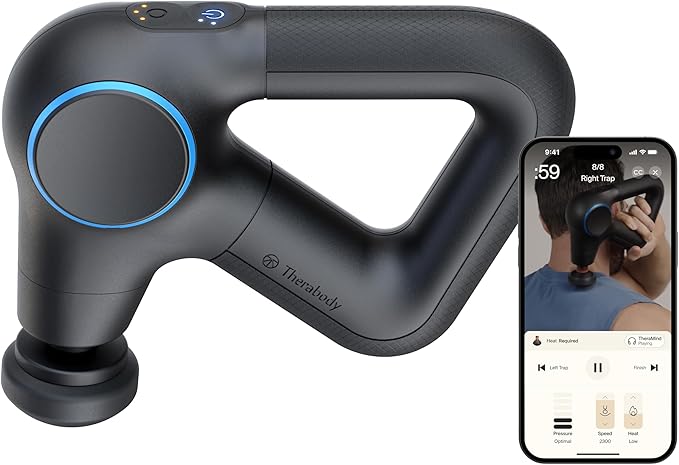
TheraGun Therabody Prime Plus Heated, Powerful Massage Gun for Enhanced Warm-Up & Workout Recovery - Quiet Deep Tissue Massager for Body and Back Pain Relief - Leg & Back Massager with Heat
Massage Gun
2.02 lbs
2.5 hours
Key Features:
- Heated Massage Therapy
- 5 Speeds
- 3 Heat Levels
- 4 Attachments

TriggerPoint Grid 1.0 Foam Roller - 13" Multi-Density Massage Roller for Deep Tissue & Muscle Recovery - Relieves Tight, Sore Muscles & Kinks, Improves Mobility & Circulation - Targets Key Body Parts
Foam Roller
1.2 lbs
N/A
Key Features:
- Multi-Density Design
- GRID Pattern
- 13-inch Length
- Durable Construction

Hyperice Hypervolt 2 Pro - Featuring Quiet Glide Technology - Handheld Percussion Massage Gun - 5 Speeds, 5 Interchangeable Heads - Helps Relieve Sore Muscles and Stiffness FSA-HSA
Massage Gun
2.6 lbs
3 hours
Key Features:
- Smart App Integration
- 5 Speeds
- 5 Attachments
- 3-Hour Battery

RumbleRoller Original Textured Foam Roller - Deep Tissue, Self Myofacial Release Massage Therapy Roller
Foam Roller
1.8 lbs
N/A
Key Features:
- Aggressive Texture
- Deep Tissue Massage
- 13-inch Length
- High-Density Foam

Kieba Massage Lacrosse Balls for Myofascial Release, Trigger Point Therapy, Muscle Knots, and Yoga Therapy. Set of 2 Firm Balls (2 Orange)
Massage Ball
0.5 lbs
N/A
Key Features:
- 2 Lacrosse Balls
- Trigger Point Therapy
- Portable
- Durable Rubber
Massage Guns vs Foam Rollers: Which is Better for Runners?
Massage guns and foam rollers solve different problems. The right pick depends on where you carry tension, how much you want to spend, and whether you prefer passive pressure or active percussion. Most runners who train seriously eventually own both — but if you're starting with one, here's what separates them. See also our guide to resistance bands vs dumbbells for home workouts if you're building strength work around your runs.
Recovery Tool Comparison
Massage Guns Advantages:
More powerful and targeted, easier to use, faster results, better for deep tissue work, and less physical effort required. Ideal for runners with specific problem areas or limited time.
Foam Rollers Advantages:
More affordable, no battery required, better for large muscle groups, provides full-body workout, and offers more control over pressure and technique. Great for runners who prefer hands-on recovery.
Best of Both Worlds:
Most serious runners own both. Use a massage gun post-run for IT bands, calves, and tight spots; use a foam roller on rest days for quads, hamstrings, and glutes.
The Theragun Prime Plus sits at the top of the massage gun category for runners who want heat alongside percussion. The TriggerPoint GRID Foam Roller is the more practical choice if you want a foam roller that handles daily use without flattening out.
How to Use Recovery Tools Effectively
Proper technique is essential for getting the most benefit from recovery tools. Incorrect use can be ineffective or even harmful, while proper technique maximizes recovery benefits and reduces injury risk.
Massage Gun Best Practices
Start with lower speeds and gradually increase intensity. Move the gun slowly over muscles, spending 30-60 seconds on each area. Avoid bones, joints, and sensitive areas. Use appropriate attachments for different muscle groups and always follow the manufacturer's guidelines.
Foam Rolling Techniques
Roll slowly and deliberately, spending 30-90 seconds on each muscle group. Focus on tender spots but avoid excessive pain. Breathe deeply and relax into the pressure. Use proper body positioning to target specific muscles effectively.
Recovery Timing
Use recovery tools after workouts, before bed, or on rest days. Avoid using them immediately before intense training sessions. Consistency is more important than duration - even 10-15 minutes daily can provide significant benefits.
Recovery Tools for Different Running Goals
A beginner running three days a week needs different recovery support than someone training for a 100-mile ultra. Volume, intensity, and problem areas all shift the equation. Our guide to immune support supplements covers the nutrition side of recovery if you want to combine tools with supplementation.
Beginner Runners
Start with a basic foam roller and a lacrosse ball. Learn proper technique before spending more. Both tools cost under $20 combined and cover most recovery needs at low mileage.
Competitive Runners
Invest in high-quality massage guns and multiple foam roller densities. You need powerful, efficient recovery tools to handle high training volumes and maintain performance.
Ultra-Marathoners
Invest in a high-end massage gun, multiple foam roller densities, and compression gear. At these distances, recovery between long runs directly determines whether you make it to the start line healthy.
Budget Considerations and Value Options
Recovery tools span from $8 lacrosse balls to $430 percussion devices. Spending more gets you better motors, smarter attachments, and longer battery life — not necessarily better recovery outcomes. Match the tool to your actual training load. Our guide to portable fitness gear for travel workouts covers which recovery tools pack well for runners who race away from home.
Budget-Friendly Options
A basic foam roller and two lacrosse balls cover most recovery needs for runners logging under 30 miles per week. The Kieba ball set runs under $10 and handles trigger point work on plantar fascia, calves, and glutes as well as anything pricier.
Mid-Range Investments
Quality foam rollers like the TriggerPoint GRID and RumbleRoller offer significant improvements over basic options while remaining affordable. These tools provide years of effective recovery for most runners.
Premium Options
The Theragun Prime Plus and Hypervolt 2 Pro are the right choice for runners training six or more days a week who need fast, targeted recovery without the time cost of foam rolling large muscle groups. The added heat feature on the Theragun is genuinely useful for pre-run warm-up as well.
Safety Considerations and Best Practices
While recovery tools are generally safe when used properly, understanding potential risks and safety guidelines ensures you get maximum benefit without injury.
Safety Guidelines
Avoid using recovery tools on injured areas without medical clearance. Start with lighter pressure and gradually increase intensity. Stop if you experience sharp pain or discomfort beyond normal muscle soreness.
Contraindications
Avoid using recovery tools if you have blood clots, fractures, or acute injuries. Consult with healthcare providers if you have chronic conditions or are unsure about using recovery tools safely.
Maintenance
Keep recovery tools clean and properly maintained. Replace foam rollers when they lose their shape or become damaged. Charge massage guns regularly and replace attachments as needed.
Building Your Recovery Routine
A practical recovery routine doesn't need to be long — it needs to be consistent. The structure below takes under 15 minutes and covers the main areas that break down for most runners.
Daily Recovery Routine
Spend 10-15 minutes daily on recovery, focusing on areas that feel tight or sore. Use foam rollers for general maintenance and massage guns for specific problem areas. Consistency is more important than duration.
Post-Workout Recovery
Use recovery tools within 30 minutes of finishing your run for maximum benefit. Focus on the muscles you used most during your workout, and don't forget to include both legs and core muscles.
Rest Day Recovery
Use rest days for longer sessions — 20 to 30 minutes of full-body work covering quads, hamstrings, glutes, calves, and hip flexors. These are the areas that tighten silently during the week and flare up on long runs.
Future of Recovery Technology
App-connected massage guns and smart compression devices are making recovery more data-driven. Whether that changes your routine depends on how precisely you track load and fatigue. If you use a wearable to monitor sleep and HRV, pairing it with recovery data can sharpen the picture. Our guide to smart wellness wearables for stress and sleep tracking covers those devices in detail.
Tools like the Hypervolt 2 Pro already connect to apps that log session data and suggest recovery timing based on training load. That's useful if you train by metrics; less so if you prefer to work by feel. Our guide to AI-embedded fitness technology breaks down which of these features are worth paying for.
Wearable integration is where this category is heading — devices that read your HRV and sleep score, then adjust percussion intensity or suggest when to skip deep tissue work. Niche today, but watch for it in the next product cycle. Our guide to top home health devices for 2025 covers the broader picture of health monitoring at home.
Frequently Asked Questions About Recovery Tools for Runners
How often should I use recovery tools as a runner?
Use recovery tools daily for 10-15 minutes, focusing on areas that feel tight or sore.
Consistency is more important than duration. Use foam rollers for general maintenance and massage guns for specific problem areas. Post-workout recovery within 30 minutes provides maximum benefit.
Are massage guns better than foam rollers for runners?
Both tools offer unique benefits - massage guns are better for targeted deep tissue work, while foam rollers excel at general muscle maintenance.
Massage guns provide more powerful, targeted pressure and require less physical effort. Foam rollers are more affordable, provide full-body workout benefits, and offer better control over pressure and technique.
What's the best massage gun for runners on a budget?
The Hyperice Hypervolt 2 Pro offers excellent value at $349 with professional-grade features and smart app integration.
For budget-conscious runners, the Kieba lacrosse balls at $7.99 handle trigger point work on calves, plantar fascia, and glutes as well as pricier options. The TriggerPoint GRID Foam Roller at $39.95 is a solid step up for broader muscle maintenance.
Can recovery tools help prevent running injuries?
Yes, recovery tools can significantly help prevent running injuries by improving flexibility, reducing muscle tension, and promoting proper recovery.
Regular use of recovery tools helps break down muscle adhesions, improves blood flow, reduces inflammation, and restores range of motion. This is particularly important for runners who train frequently and need to maintain consistent training loads.
How long should I use a massage gun on each muscle group?
Spend 30-60 seconds on each muscle group, moving the gun slowly and gradually increasing intensity.
Start with lower speeds and work up to higher intensities. Focus on areas that feel tight or sore, but avoid bones, joints, and sensitive areas. Use appropriate attachments for different muscle groups.
What's the difference between a basic and premium foam roller?
Premium foam rollers offer better durability, more texture options, and improved effectiveness for deep tissue work.
Basic foam rollers are smooth and provide gentle pressure, while premium options like the RumbleRoller have aggressive textures for deeper tissue work. The TriggerPoint GRID offers multi-density design with GRID pattern for targeted pressure.
Can I use recovery tools before running?
Light recovery work before running can help warm up muscles, but avoid intense deep tissue work immediately before training.
Use gentle foam rolling or light massage gun work for 5-10 minutes as part of your warm-up routine. Save intense recovery work for after your run or on rest days to avoid over-relaxing muscles before training.
Are there any safety concerns with recovery tools?
Recovery tools are generally safe when used properly, but avoid using them on injured areas without medical clearance.
Start with lighter pressure and gradually increase intensity. Stop if you experience sharp pain or discomfort beyond normal muscle soreness. Avoid using recovery tools if you have blood clots, fractures, or acute injuries.
How do I choose the right recovery tools for my running goals?
Consider your training intensity, budget, and specific needs when choosing recovery tools.
Beginner runners should start with basic foam rollers and massage balls. Competitive runners need high-quality massage guns and multiple foam roller densities. Ultra-marathoners should add compression gear alongside massage guns and multi-density foam rollers.
Do recovery tools really improve running performance?
Yes, recovery tools can significantly improve running performance by reducing muscle soreness, improving flexibility, and accelerating recovery between training sessions.
Regular use of recovery tools can improve range of motion, reduce muscle tension, and speed up turnaround between sessions. Runners who recover well can handle higher training volumes without accumulating the kind of stiffness that leads to overuse injuries.
Conclusion
The right recovery tools for runners come down to training load, budget, and where you carry tension. The Theragun Prime Plus is the strongest pick if you want percussion with heat and train most days of the week. The TriggerPoint GRID Foam Roller is the practical daily-driver for runners who want a tool that works without charging.
Whatever you pick, consistency beats gear quality. A $10 lacrosse ball used every evening does more for your running than a $400 massage gun that stays in the drawer. Start simple, build the habit, then upgrade when you've outgrown what you have.
For more running and recovery guides, browse our health & fitness section. Our guide to supplements and snack ideas for post-workout recovery covers the nutrition side of getting your body ready for the next run.
