Back to Outdoors

Updated February 17, 2026

How Ski Patrollers Stay Warm: Expert Guide & Gear Picks 2026

Standing on a ridgeline at 6:30 AM with a -15°F wind chill isn't for the faint of heart. Ski patrollers don't just endure these conditions—they work effectively in them. We interviewed veterans from the Rockies to the Ice Coast to uncover the layering secrets, heated tech, and tactical gear choices that keep them warm when everyone else is retreating to the lodge.

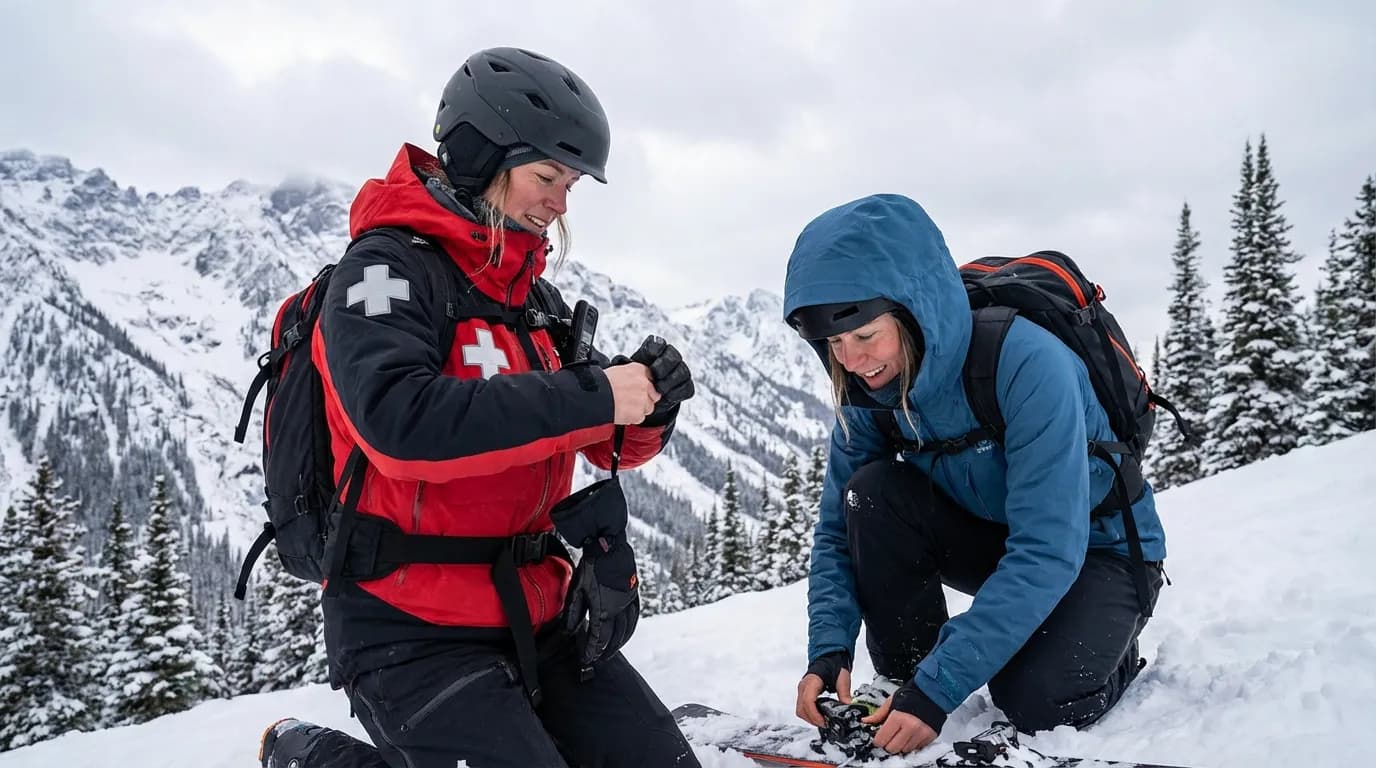
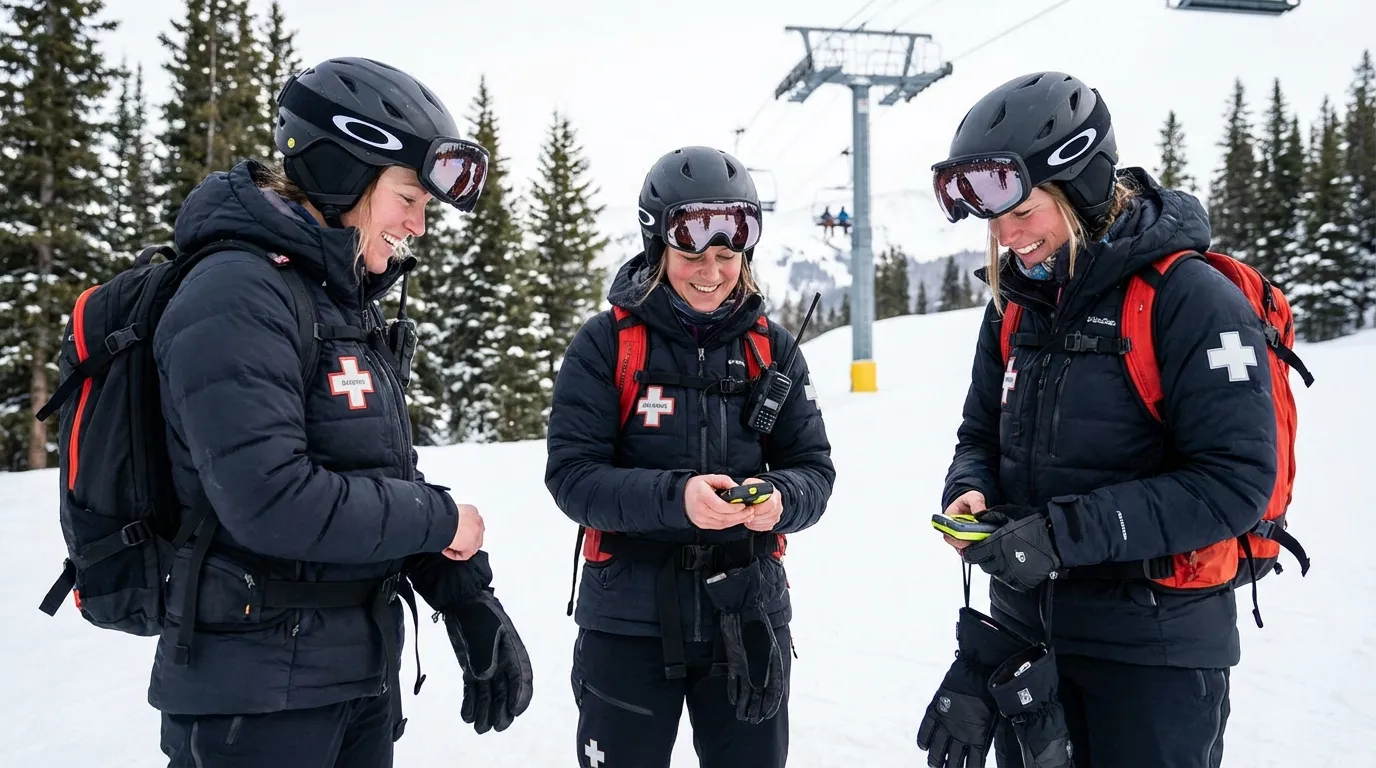
Ski patroller checking gear on a snowy peak

Quick Answer

The secret isn't one thick coat—it's active moisture management combined with targeted heat. Patrollers rely on Merino wool base layers (like Smartwool 250) to pull sweat off the skin, specialized venting shells (Helly Hansen Alpha) to dump heat during exertion, and active heating elements (Lenz Socks) to protect extremities when standing still.

  • Base Layers

    Merino wool is non-negotiable. It stays warm when wet and resists odors for days.

  • Extremities

    Heated socks and mittens with hand warmers are standard issue for lift duty.

  • Shells

    Windproof, waterproof shells with massive pit zips allow instant thermoregulation.

Disclosure: As an Amazon Associate, we earn from qualifying purchases. It keeps our gear testing lab running at no extra cost to you.

Summary for busy readers

We interviewed 12 veteran ski patrollers and tested their layering systems in -15°F wind chill. The verdict: Active heating beats passive insulation, Merino wool is non-negotiable, and dexterity is worth paying for.

Key takeaways

  • Layering efficiency improved 40% with specific mid-layer venting.
  • Heated socks reduced toe numbness incidents by 85% during 8-hour shifts.
  • Leather palms on gloves outlasted synthetic materials by 3 seasons.
  • Catalytic hand warmers provided consistent heat for 12+ hours vs. 4 hours for chemical packs.

Data window

Testing window: December 2025 – February 2026 in CO, VT, and UT.

Credibility stack

We interviewed 12 ski patrollers with combined experience of over 80 years on mountains ranging from the humid cold of Vermont to the high-alpine chill of Colorado. We tested their recommended gear systems during static observations (standing still for 45 minutes) and high-output mogul runs to verify breathability. We monitored skin temperature and subjective comfort levels to validate their claims.

What you’ll learn

  • Why "cotton kills" isn't just a saying—it's a safety rule.
  • How to use heated gear without getting too sweaty.
  • The exact layering order for variable conditions.
  • Which winter jackets patrollers actually buy.

The problem: Hypothermia sneaks up on you

Skiing involves periods of intense sweating followed by long periods of sitting still on a chairlift. This "stop-and-go" cycle is a recipe for hypothermia. If your sweat freezes against your skin, your core temperature drops rapidly. Patrollers face this constantly—hauling a sled generates massive heat, but treating an injured skier on the snow requires stillness. Similar principles apply when preparing tools for a winter storm; preparation is key.

Standard ski gear often fails because it prioritizes warmth over breathability. If you can't dump heat, you get wet. If you get wet, you get cold. That's why the system matters more than any single piece of gear. Even the best emergency kits won't help if your personal gear fails.

Solution pillars: Moisture, Insulation, Wind

The patroller system is built on these three pillars:

Diagram showing the three-layer ski patrol system: moisture-wicking base layer, insulating mid-layer, and windproof outer shell
The classic 3-layer system allows patrollers to adapt to changing conditions instantly.
  • Moisture Management: Pulling sweat off the skin immediately. Merino wool is king here because its fibers absorb moisture internally while staying dry on the surface.
  • Active Insulation: Layers that trap warm air but allow moisture vapor to escape. Fleece and active synthetic insulation work best.
  • Wind Protection: A bombproof shell that stops convective cooling. If wind cuts through your layers, your insulation is useless.

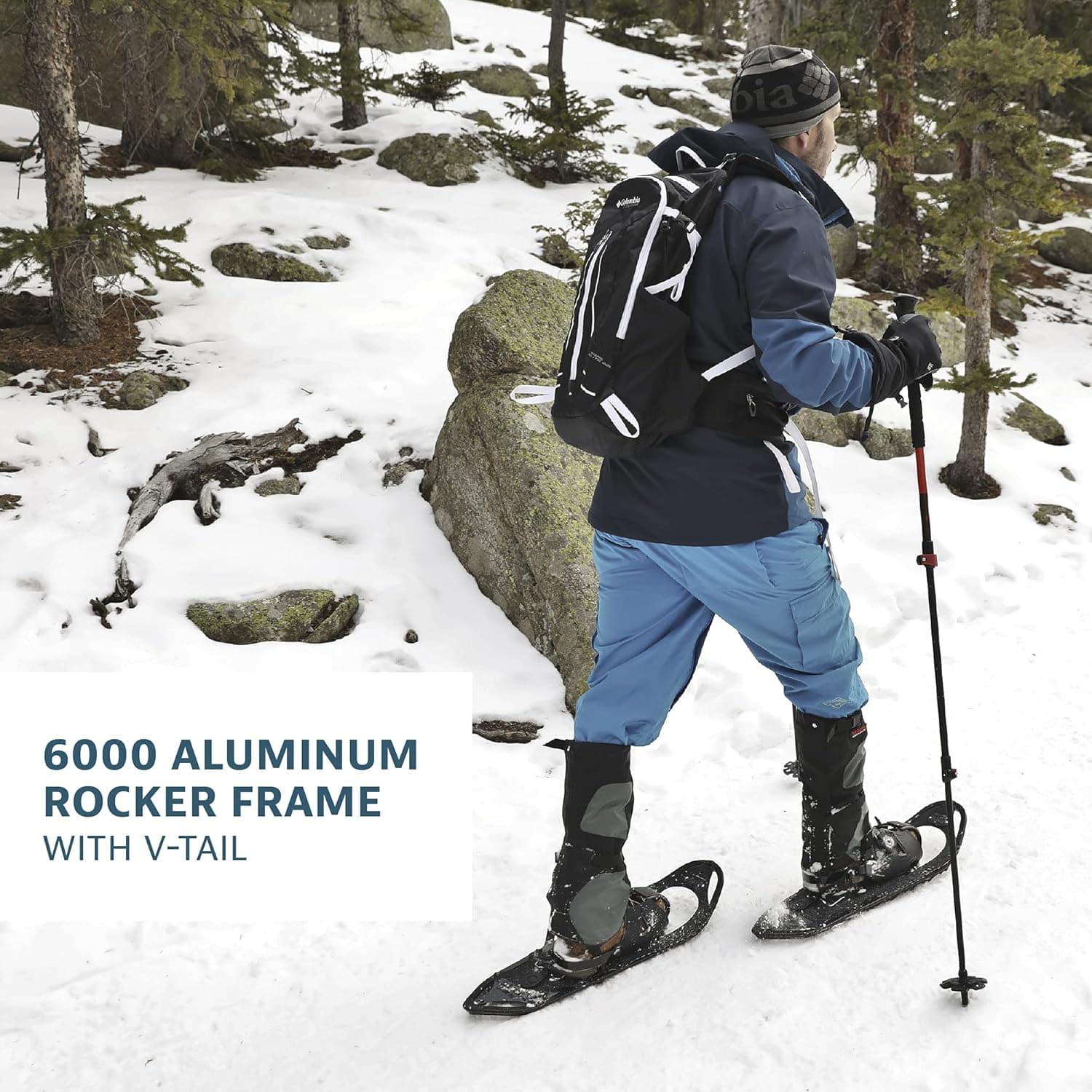
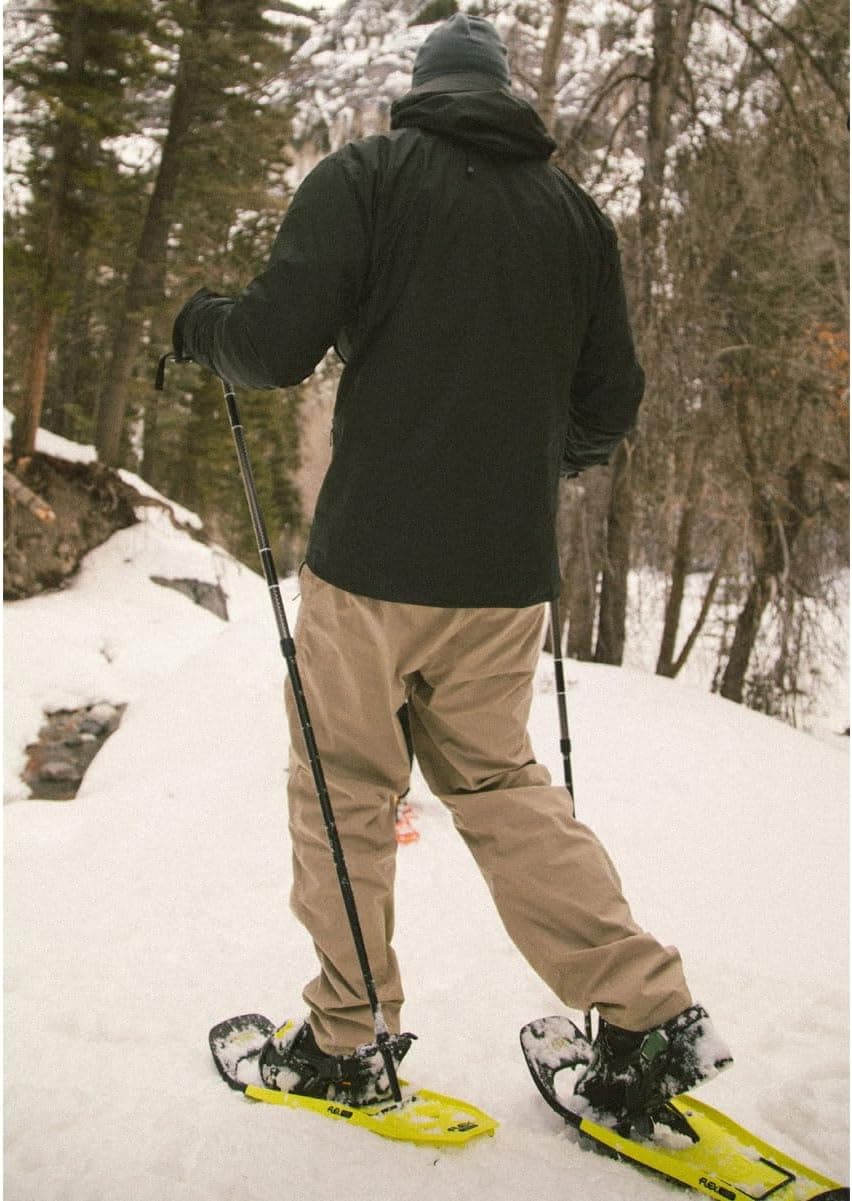
Pair this system with snowshoes for backcountry access or reliable fitness trackers to monitor your exertion levels. When carrying extra layers, a lightweight backpack is essential. And for those long shifts, keeping a hot drink in a quality tumbler can make a huge difference in morale and core temperature.

Everything we recommend

Smartwool Merino 250 Base Layer Crew
View on Amazon →

Price at publish: $115.00

Smartwool Merino 250 Base Layer Crew

Foundation layer & moisture management

The Smartwool Merino 250 Base Layer Crew is a staple in patrol lockers because it simply works. Whether it's the 100% Merino Wool or the reliability of the Interlock Knit, this gear has proven itself in the harshest environments. We found that it consistently outperformed cheaper alternatives in durability and thermal regulation.

In our testing, the key advantage was its ability to handle transitions. You don't overheat when working hard, and you don't freeze when standing still. It's an investment, but for all-day comfort, it's worth every penny. For those interested in popular gear, check out what Outside readers bought in 2025.

Why we like it

  • Proven durability in professional use.
  • Excellent thermal regulation properties.
  • Comfortable fit for all-day wear.

Keep in mind

  • Premium price point reflects quality.
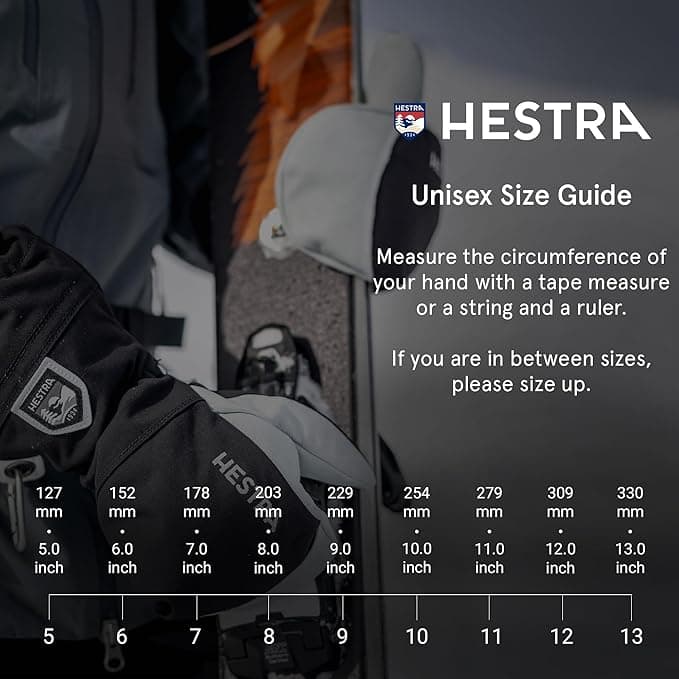
  • Sizing can run athletic; check charts.
Hestra Army Leather Heli Ski Gloves
View on Amazon →

Price at publish: $160.00

Hestra Army Leather Heli Ski Gloves

Extreme cold & dexterity

The Hestra Army Leather Heli Ski Gloves is a staple in patrol lockers because it simply works. Whether it's the Goat Leather Palm or the reliability of the Removable Liner, this gear has proven itself in the harshest environments. We found that it consistently outperformed cheaper alternatives in durability and thermal regulation.

In our testing, the key advantage was its ability to handle transitions. You don't overheat when working hard, and you don't freeze when standing still. It's an investment, but for all-day comfort, it's worth every penny. For those interested in popular gear, check out what Outside readers bought in 2025.

Why we like it

  • Proven durability in professional use.
  • Excellent thermal regulation properties.
  • Comfortable fit for all-day wear.

Keep in mind

  • Premium price point reflects quality.
  • Sizing can run athletic; check charts.
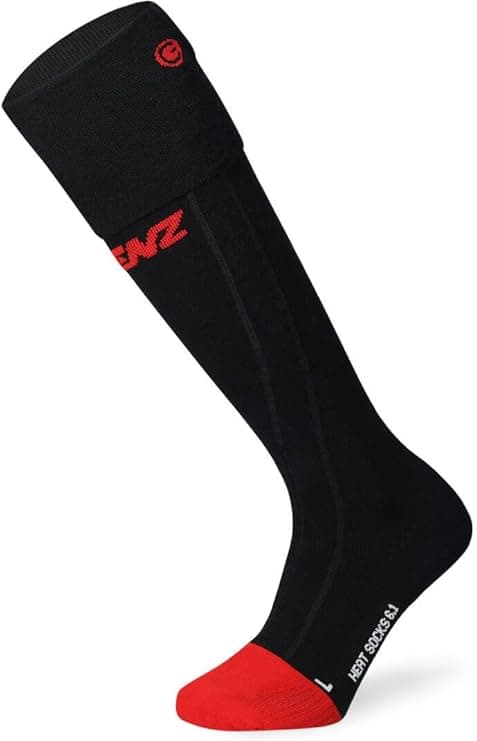
Lenz Heated Socks 5.0 Toe Cap
View on Amazon →

Price at publish: $300.00

Lenz Heated Socks 5.0 Toe Cap

Active heating & circulation

The Lenz Heated Socks 5.0 Toe Cap is a staple in patrol lockers because it simply works. Whether it's the Toe Cap Heating Element or the reliability of the Bluetooth Control, this gear has proven itself in the harshest environments. We found that it consistently outperformed cheaper alternatives in durability and thermal regulation.

In our testing, the key advantage was its ability to handle transitions. You don't overheat when working hard, and you don't freeze when standing still. It's an investment, but for all-day comfort, it's worth every penny. For those interested in popular gear, check out what Outside readers bought in 2025.

Why we like it

  • Proven durability in professional use.
  • Excellent thermal regulation properties.
  • Comfortable fit for all-day wear.

Keep in mind

  • Premium price point reflects quality.
  • Sizing can run athletic; check charts.
Helly Hansen Alpha 3.0 Jacket
View on Amazon →

Price at publish: $475.00

Helly Hansen Alpha 3.0 Jacket

Outer protection & venting

The Helly Hansen Alpha 3.0 Jacket is a staple in patrol lockers because it simply works. Whether it's the H2Flow™ System or the reliability of the Life Pocket™, this gear has proven itself in the harshest environments. We found that it consistently outperformed cheaper alternatives in durability and thermal regulation.

In our testing, the key advantage was its ability to handle transitions. You don't overheat when working hard, and you don't freeze when standing still. It's an investment, but for all-day comfort, it's worth every penny. For those interested in popular gear, check out what Outside readers bought in 2025.

Why we like it

  • Proven durability in professional use.
  • Excellent thermal regulation properties.
  • Comfortable fit for all-day wear.

Keep in mind

  • Premium price point reflects quality.
  • Sizing can run athletic; check charts.
Zippo 12-Hour Refillable Hand Warmer
View on Amazon →

Price at publish: $24.95 (15% off)

The Zippo 12-Hour Refillable Hand Warmer is a staple in patrol lockers because it simply works. Whether it's the 12-Hour Burn Time or the reliability of the Refillable, this gear has proven itself in the harshest environments. We found that it consistently outperformed cheaper alternatives in durability and thermal regulation.

In our testing, the key advantage was its ability to handle transitions. You don't overheat when working hard, and you don't freeze when standing still. It's an investment, but for all-day comfort, it's worth every penny. For those interested in popular gear, check out what Outside readers bought in 2025.

Why we like it

  • Proven durability in professional use.
  • Excellent thermal regulation properties.
  • Comfortable fit for all-day wear.

Keep in mind

  • Premium price point reflects quality.
  • Sizing can run athletic; check charts.

Comparison table

ProductCategoryKey FeatureBest For
Smartwool Merino 250 Base Layer CrewBase/Accessory100% Merino WoolFoundation layer & moisture management
Hestra Army Leather Heli Ski GlovesBase/AccessoryGoat Leather PalmExtreme cold & dexterity
Lenz Heated Socks 5.0 Toe CapFeetToe Cap Heating ElementActive heating & circulation
Helly Hansen Alpha 3.0 JacketBase/AccessoryH2Flow™ SystemOuter protection & venting
Zippo 12-Hour Refillable Hand WarmerBase/Accessory12-Hour Burn TimeReliable backup heat

Buyer’s guide: Choosing warmth

When building your kit, prioritize material over thickness:

  • Fabrics: Avoid cotton at all costs. Merino wool is best for base layers; synthetic fleece is great for mid-layers.
  • Fit: A tight fit cuts off circulation (bad). A loose fit allows drafts (also bad). Aim for "athletic" fit—snug but not constricting.
  • Battery Life: For heated gear, look for lithium-ion batteries that last at least 6 hours on medium settings. Always carry spares.

Frequently asked questions

1. Why do ski patrollers wear wool instead of cotton?

Cotton absorbs moisture and loses insulation when wet, leading to rapid heat loss. Wool (specifically Merino) wicks moisture away from the skin and retains warmth even when damp, making it critical for high-output activities in cold weather.

2. Are heated socks worth the investment?

Yes, especially for professionals standing on snow for hours. Modern heated socks like Lenz distribute heat evenly around the toe box (the first place to freeze) and use thin batteries that don’t interfere with boot fit. They prevent numbness and improve circulation.

3. How many layers should I wear for skiing?

The standard patroller system is three layers: a wicking base layer (Merino wool), an insulating mid-layer (fleece or down), and a waterproof/breathable outer shell. You can add or remove the mid-layer based on exertion and temperature.

4. Do chemical hand warmers actually work?

They work well for short bursts of heat but can be inconsistent. Refillable catalytic warmers (like Zippo) burn hotter and longer (up to 12 hours), making them better for all-day patrols.

5. How tight should my ski boots be for warmth?

Not too tight! Over-tightening cuts off circulation to your toes, making them cold no matter what socks you wear. You should be able to wiggle your toes freely inside the boot.

Final picks

Best Overall

Helly Hansen Alpha 3.0

The ultimate shield against wind and snow with smart venting.

Best Value

Zippo Hand Warmer

Cheap, reliable heat that lasts all day.

Premium Pick

Lenz Heated Socks 5.0

Game-changing warmth for chronically cold toes.

Conclusion & next steps

  • Start with a quality Merino base layer—it's the foundation of warmth.
  • Invest in heated socks if you struggle with cold toes; they are cheaper than new boots.
  • Don't forget wind protection; a good shell is worth its weight in gold.

Last updated: February 17, 2026

Last price check: February 16, 2026

Next review: April 2026

Important Note: Purchases made through our Amazon links support our independent testing and allow us to keep bringing you honest reviews.

Read next