By Layla CarterDecember 28, 20258 min read

Does Blue Light Age Your Skin? How to Prevent Digital Aging in the Screen Era

In our digital world, screens aren't just straining our eyes—they're accelerating skin aging through invisible blue light. Learn how HEV rays penetrate deeper than UV and discover science-backed prevention strategies.

Woman using laptop with blue light protection skincare routine to prevent digital aging

Blue light from screens penetrates deep into skin, causing oxidative stress that accelerates aging. Protection requires targeted antioxidants and lifestyle changes.

The Quick Answer

Yes, blue light from screens accelerates skin aging by penetrating deeper than UV rays and generating oxidative stress that breaks down collagen and elastin.

HEV light penetrates 1mm deeper than UVA rays, causing cellular damage.

Digital aging shows as premature wrinkles, pigmentation, and collagen loss.

Prevention requires antioxidant protection and blue light blocking formulas.

The Hidden Dangers of Blue Light: Why Digital Aging Matters

We've all heard about UV rays causing skin cancer and premature aging, but what about the blue light emanating from our smartphones, laptops, and LED lights? In our screen-obsessed world, this invisible threat is causing a new type of aging that dermatologists are calling "digital aging."

Blue light, also known as high-energy visible (HEV) light, has wavelengths between 400-495 nanometers. Unlike UV rays that primarily damage the epidermis (outer layer of skin), blue light penetrates up to 1mm into the dermis—the layer containing collagen and elastin fibers that keep skin firm and youthful.

The Science Behind Blue Light Damage

When blue light penetrates skin cells, it generates reactive oxygen species (ROS)—free radicals that damage cellular DNA, break down collagen, and trigger inflammatory responses. Studies show that just 1 hour of blue light exposure increases matrix metalloproteinases (MMPs) by 30%, accelerating collagen degradation.

This oxidative stress accumulates over time, leading to premature wrinkles, loss of skin elasticity, hyperpigmentation, and a compromised skin barrier. The eye area is particularly vulnerable due to close proximity to screens during video calls and computer work.

Signs Your Skin Is Suffering from Digital Aging

Digital aging presents differently from traditional sun damage. While UV aging causes leathery texture and deep wrinkles, blue light damage manifests as:

Early Signs (1-2 years of heavy screen use)

  • • Dull, lackluster skin tone
  • • Increased skin sensitivity
  • • Fine lines around eyes (crow's feet)
  • • Under-eye darkness
  • • Dry, dehydrated patches

Advanced Signs (3+ years of exposure)

  • • Premature deep wrinkles
  • • Melasma and hyperpigmentation
  • • Loss of skin elasticity
  • • Compromised skin barrier
  • • Accelerated aging signs

How Much Screen Time Is Too Much?

There's no official "safe" limit for blue light exposure, but research provides concerning insights. A 2018 study published in the Journal of Investigative Dermatology found that even moderate screen time (2-3 hours daily) increases oxidative stress markers by 25%.

Consider this: the average American spends 7 hours daily on screens. With LED lighting in offices and homes adding another layer of exposure, many people are getting 10+ hours of blue light daily—equivalent to smoking a pack of cigarettes for skin health.

Risk Factors That Increase Blue Light Damage

  • Screen proximity: Closer distance = more damage (phones vs. TVs)
  • Screen brightness: Higher brightness settings increase exposure
  • Duration: Continuous exposure without breaks
  • Age: Skin becomes more vulnerable with age
  • Skin type: Lighter skin tones are more susceptible

The Complete Guide to Preventing Digital Aging

1. Antioxidant Protection: Your First Line of Defense

Antioxidants neutralize the free radicals generated by blue light. The most effective ones for digital aging include:

Vitamin C

Neutralizes ROS and brightens pigmentation

Resveratrol

Protects mitochondrial DNA from damage

Ferulic Acid

Enhances photoprotection across spectrums

2. Mineral Sunscreen: Physical Blue Light Barriers

Mineral sunscreens with zinc oxide or titanium dioxide provide superior blue light protection through light reflection. Look for broad-spectrum formulas with SPF 30+ that specifically mention visible light protection.

3. Lifestyle Modifications

  • 20-20-20 Rule: Every 20 minutes, look at something 20 feet away for 20 seconds
  • Night Mode: Enable blue light filters on all devices after sunset
  • Distance: Keep screens at arm's length when possible
  • LED Lighting: Use warm white LED bulbs instead of cool blue-tinted ones
  • Sleep Protection: Avoid screens 1-2 hours before bed

4. Targeted Eye Area Protection

The eye area receives the most concentrated blue light exposure. Use eye creams with peptides, niacinamide, and caffeine to combat digital eye strain and prevent periorbital aging.
Best Products for Blue Light Protection

Dermatologist-recommended formulas that shield against digital aging while repairing existing damage.

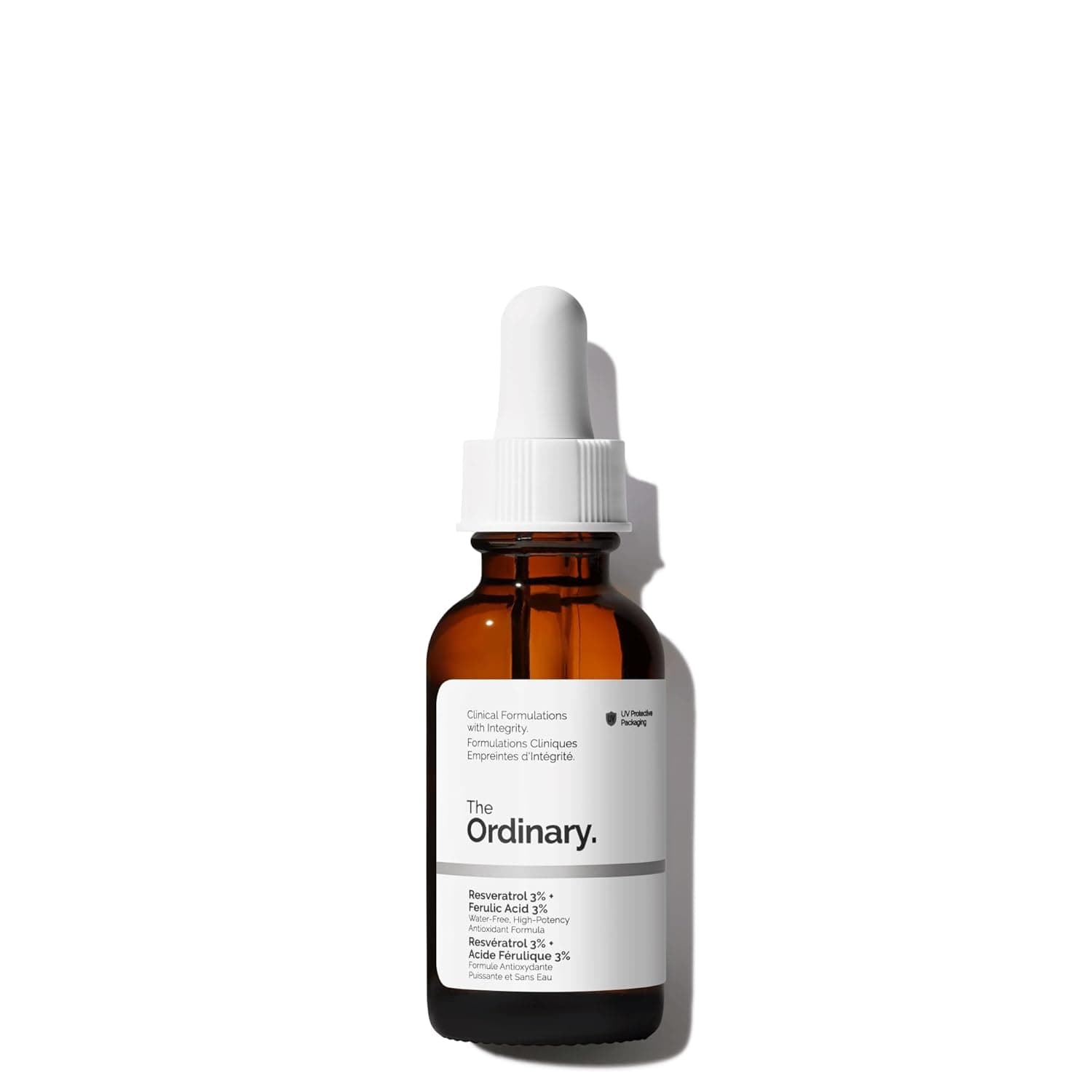
The Ordinary Resveratrol 3% + Ferulic Acid 3%, Antioxidant Serum for Anti-Aging, 1 Fl Oz
Rating: 4.4 (1,650 reviews)
Best Overall

$10.40

$

The Ordinary Resveratrol 3% + Ferulic Acid 3%, Antioxidant Serum for Anti-Aging, 1 Fl Oz

This science-backed serum combines resveratrol and ferulic acid to neutralize free radicals generated by blue light exposure and oxidative stress.

Resveratrol, derived from Japanese knotweed, penetrates deep into skin cells to protect mitochondrial DNA from HEV light damage.

Ferulic acid enhances vitamin C stability and provides additional photoprotection against visible light spectrum.

"After eight hours of screen time, I apply this serum to restore my skin's antioxidant defenses and prevent the collagen breakdown that blue light causes."

Key Features

  • Resveratrol protects against blue light induced oxidative stress.
  • Ferulic acid enhances photoprotection across light spectrums.
  • Stable formulation maintains efficacy throughout the day.

Why It Works

+Clinically proven to neutralize free radicals from screens.
+Affordable price point makes daily use accessible.
+Pairs perfectly with existing antioxidant routines.
View on Amazon →
Best for: Daily protection against digital aging and screen exposure
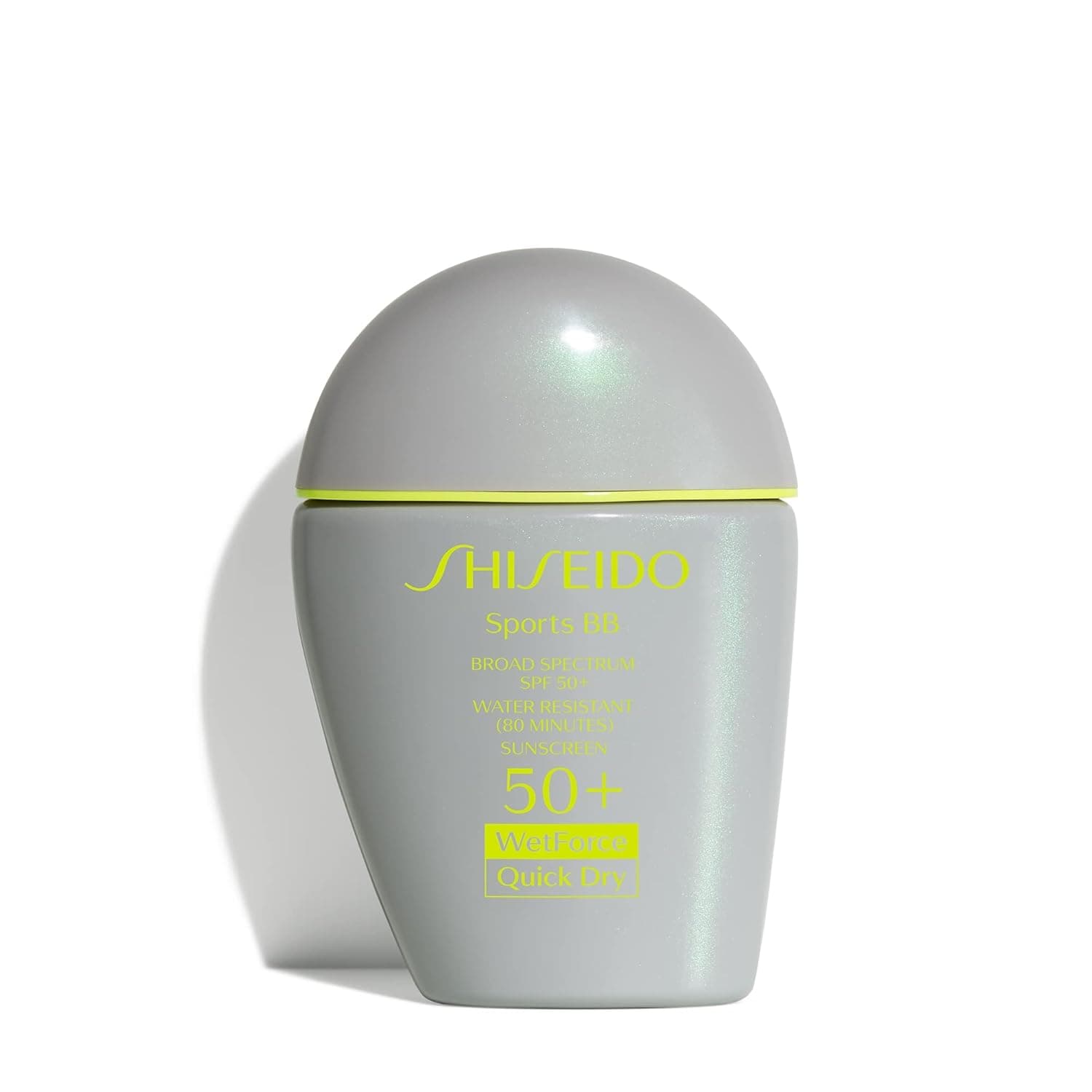
Shiseido Sports BB Cream SPF 50+ Sunscreen - 30 mL - Quick-Dry, Non-Sticky Formula for Natural, All Day Finish - Perspiration, Water & Transfer Resistant - Non-Comedogenic
Rating: 4.4 (1,650 reviews)
Best Value

$40.00

$$$

Shiseido Sports BB Cream SPF 50+ Sunscreen - 30 mL - Quick-Dry, Non-Sticky Formula for Natural, All Day Finish - Perspiration, Water & Transfer Resistant - Non-Comedogenic

This high-performance BB cream combines SPF 50+ protection with blue light blocking technology for comprehensive digital aging defense.

The quick-dry, non-sticky formula provides natural coverage while shielding against HEV light from screens and environmental sources.

Perspiration, water, and transfer resistant formula maintains protection during active digital lifestyles and outdoor activities.

"During long video conferences and outdoor digital work, this BB cream keeps my skin protected from blue light while providing natural, buildable coverage."

Key Features

  • SPF 50+ broad spectrum UV protection plus blue light defense.
  • Quick-dry, non-sticky formula for all-day comfort.
  • Perspiration and water resistant for active lifestyles.
  • Non-comedogenic and suitable for sensitive skin.

Why It Works

+Superior SPF 50+ protection against UV and blue light.
+Natural finish works as foundation or primer.
+Resistant to sweat, water, and makeup transfer.
View on Amazon →
Best for: Active professionals needing comprehensive sun and blue light protection
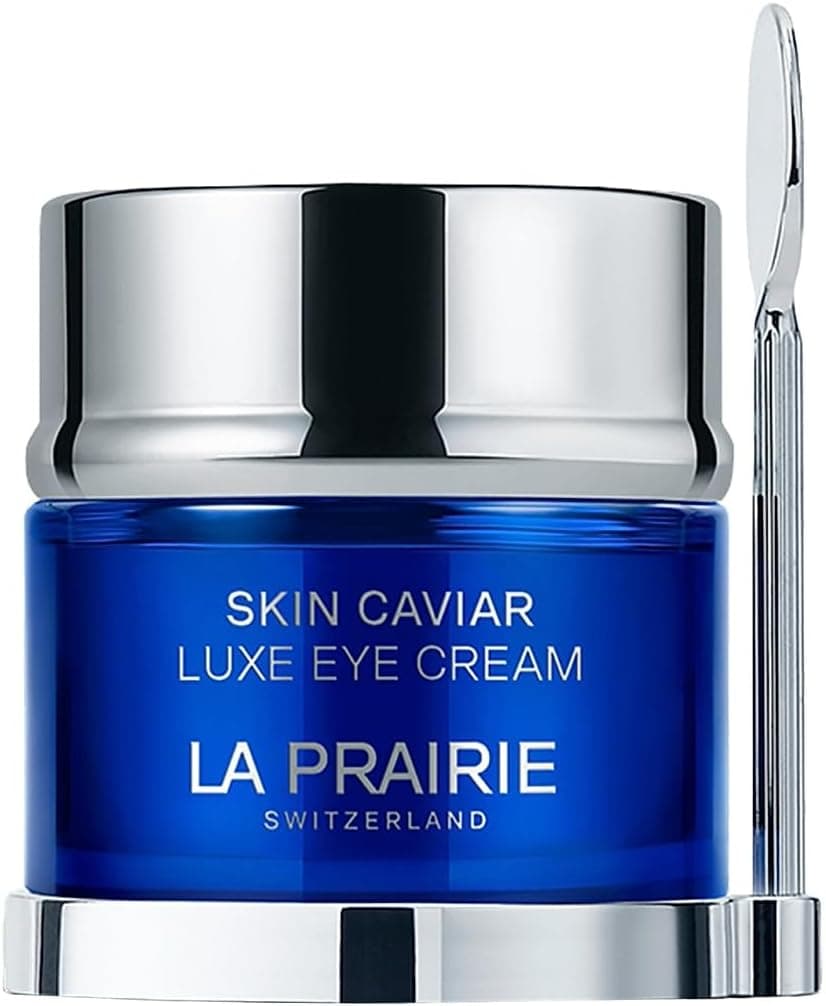
La Prairie Skin Caviar Luxe Eye Cream Lifting and Firming Eye Cream
Rating: 4.4 (1,650 reviews)
Premium Choice

$435

$$$

La Prairie Skin Caviar Luxe Eye Cream Lifting and Firming Eye Cream

This luxurious eye cream harnesses caviar extract and Swiss ice crystal technology to deliver intense hydration and peptides that repair blue light damage around delicate eye area.

The cooling application soothes digital eye strain while caviar-derived peptides stimulate collagen production to combat crow's feet from screen time.

Exclusive cellular complex targets oxidative stress specific to periocular skin exposed to close-range blue light from screens and devices.

"After hours of video conferencing and screen work, the luxurious caviar formula immediately relieves eye area fatigue while providing premium anti-aging benefits."

Key Features

  • Caviar extract and Swiss ice crystal technology for luxury hydration.
  • Peptides repair blue light induced collagen damage.
  • Exclusive cellular complex for comprehensive eye area protection.
  • Lifting and firming formula combats digital aging signs.

Why It Works

+Immediate relief from digital eye strain symptoms.
+Luxury caviar formulation with premium results.
+Addresses both aging and environmental digital concerns.
View on Amazon →
Best for: Professional women seeking premium eye protection against digital aging
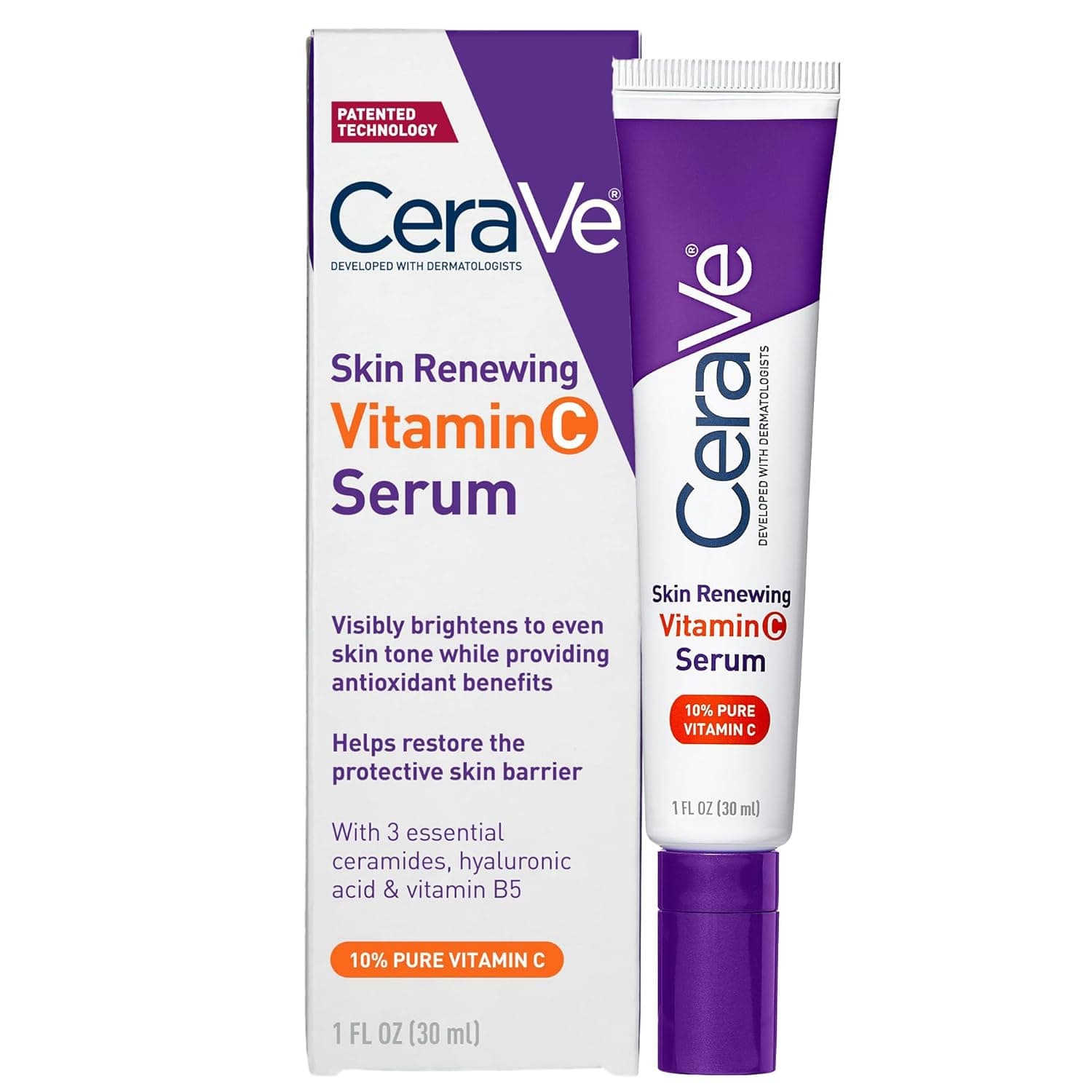
CeraVe Vitamin C Serum with Hyaluronic Acid, Skin Brightening Serum for Face with 10% Pure Vitamin C, Fragrance Free, 1 Fl. Oz
Rating: 4.4 (1,650 reviews)
Premium Choice

$21.44

$$

CeraVe Vitamin C Serum with Hyaluronic Acid, Skin Brightening Serum for Face with 10% Pure Vitamin C, Fragrance Free, 1 Fl. Oz

This gentle yet effective serum uses 10% pure vitamin C to brighten hyperpigmentation caused by blue light exposure while hyaluronic acid and ceramides restore the skin barrier.

The optimized vitamin C concentration works synergistically with niacinamide to control melanin production and even skin tone.

Fragrance-free formula with hyaluronic acid suits sensitive skin prone to digital aging signs like uneven tone and dullness.

"My screen-heavy workdays leave skin looking tired and dull, but this serum gradually brightens and evens tone while providing hydration without irritation."

Key Features

  • 10% pure vitamin C brightens blue light induced pigmentation.
  • Hyaluronic acid provides intense hydration for dry, digital-stressed skin.
  • Ceramides restore barrier compromised by digital exposure.
  • Niacinamide controls melanin for even skin tone.

Why It Works

+Gentle enough for daily use on sensitive skin.
+Combines brightening with hydration benefits.
+Affordable access to vitamin C technology.
View on Amazon →
Best for: Budget-conscious consumers seeking vitamin C protection against digital aging
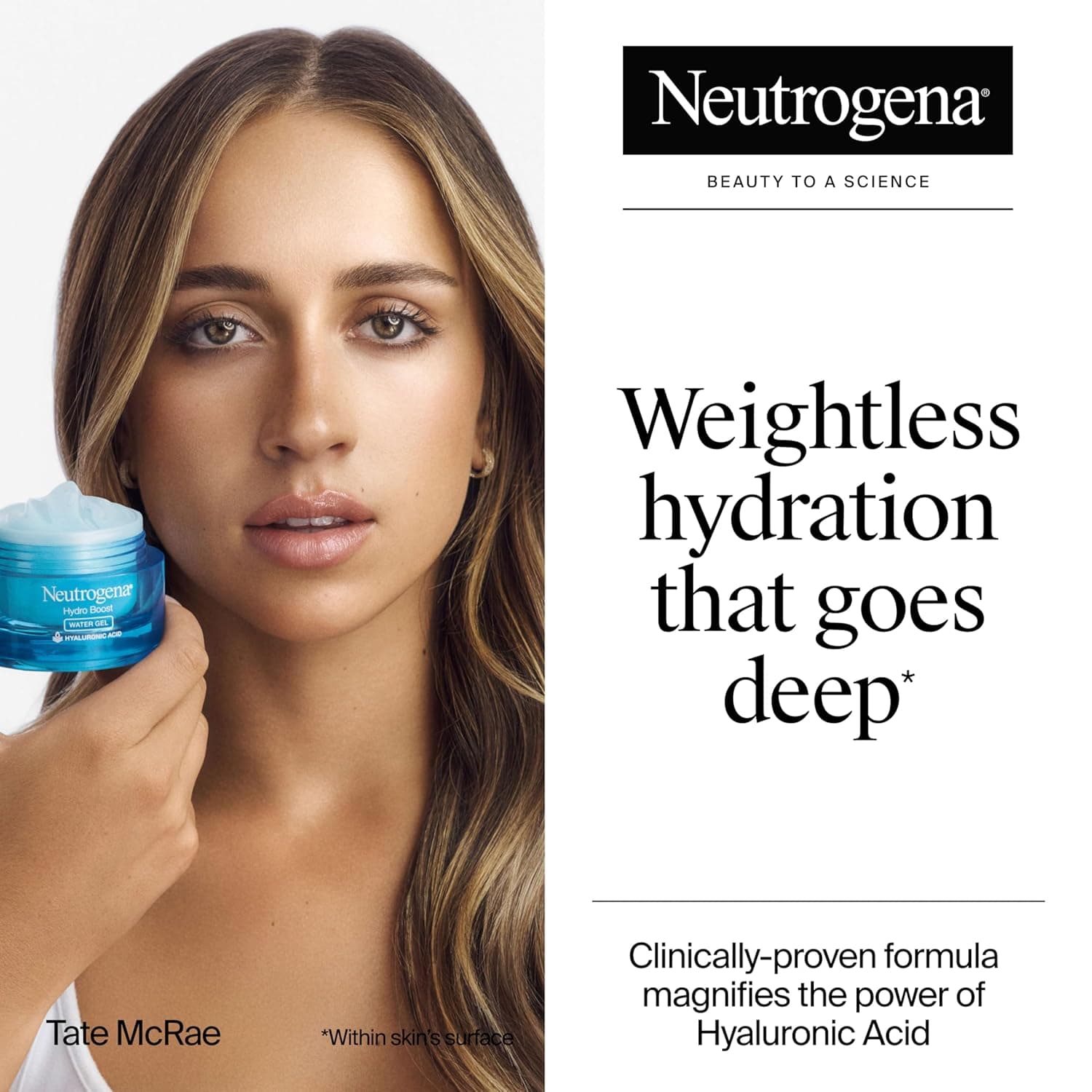
Neutrogena Hydro Boost Water Gel, 24 Hr Hydration for Normal/Oily Skin, Signature Fragrance, Face Moisturizer with Hyaluronic Acid, Skin Care for Juicy, Deeply Hydrated Skin, 1.7 oz
Rating: 4.4 (1,650 reviews)
Premium Choice

$16.49

$

Neutrogena Hydro Boost Water Gel, 24 Hr Hydration for Normal/Oily Skin, Signature Fragrance, Face Moisturizer with Hyaluronic Acid, Skin Care for Juicy, Deeply Hydrated Skin, 1.7 oz

This weightless gel delivers hyaluronic acid deep into dehydrated skin suffering from blue light induced transepidermal water loss for 24 hours of hydration.

The cooling texture soothes inflammation from screen proximity while providing juicy, deeply hydrated skin that combats digital aging.

Non-comedogenic formula hydrates without clogging pores, making it ideal for normal to oily skin types prone to digital dehydration.

"After hours of screen time, my normal to oily skin feels tight and dehydrated—this gel provides immediate relief and 24-hour hydration without greasiness."

Key Features

  • Hyaluronic acid restores moisture lost to blue light for 24 hours.
  • Cooling sensation soothes digital heat exposure.
  • Signature fragrance for a refreshing experience.
  • Non-comedogenic and suitable for normal to oily skin.

Why It Works

+24-hour hydration for dry, digitally stressed skin.
+Lightweight gel texture perfect for normal to oily skin.
+Budget-friendly for daily hydration needs.
View on Amazon →
Best for: Normal to oily skin suffering from digital dehydration and screen exposure

Frequently Asked Questions About Blue Light & Skin Aging

Does blue light really age your skin?

Yes, blue light penetrates deeper than UV rays and causes oxidative stress that breaks down collagen and elastin.

Blue light, also known as HEV (high-energy visible) light, has wavelengths between 400-495nm. Unlike UV rays that primarily affect the epidermis, blue light penetrates up to 1mm into the dermis, reaching collagen and elastin fibers. This deeper penetration generates reactive oxygen species (ROS) that damage cellular DNA, break down structural proteins, and accelerate the aging process. Studies show that blue light exposure increases matrix metalloproteinases (MMPs) that degrade collagen by up to 30%, leading to premature wrinkles, loss of elasticity, and skin sagging.

What are the visible signs of blue light skin damage?

Premature wrinkles, hyperpigmentation, dull skin tone, and increased sensitivity.

Digital aging manifests differently from traditional photoaging. Key signs include: fine lines around the eyes (crow's feet), melasma or uneven pigmentation, loss of skin radiance, increased transepidermal water loss, compromised skin barrier, and accelerated formation of age spots. The eye area is particularly vulnerable due to close proximity to screens, leading to periorbital hyperpigmentation and fine lines. Skin may also appear more sensitive and reactive to environmental stressors.

How much screen time causes skin aging?

Even 2-3 hours daily can cause cumulative damage over time.

There's no established 'safe' limit for blue light exposure, but research indicates that even moderate screen time accumulates damage. A 2018 study found that 2-3 hours of screen exposure daily increases oxidative stress markers by 25%. The damage is cumulative—think of it as smoking for your skin. Factors like screen proximity (closer = more damage), screen brightness, and lack of protective measures all contribute to accelerated aging. LED lighting in modern offices adds another layer of HEV exposure.

Do blue light blocking glasses help skin aging?

They help eyes but offer minimal skin protection.

Blue light blocking glasses primarily protect ocular health by filtering 400-500nm wavelengths that affect melatonin production and cause digital eye strain. However, they provide negligible protection for facial skin because: 1) Light still reflects off surfaces onto skin, 2) Glasses don't cover the entire face, 3) Most affordable glasses block only 30-50% of blue light. For comprehensive skin protection, topical antioxidants and reflective barriers are more effective than eyewear alone.

Can sunscreen protect against blue light?

Mineral sunscreens provide some blue light protection, but specialized formulas work better.

Traditional chemical sunscreens primarily block UV rays and offer minimal blue light protection. Mineral sunscreens with zinc oxide or titanium dioxide provide better HEV protection through light reflection. However, for optimal blue light defense, look for sunscreens specifically formulated with iron oxides or specialized filters. Broad-spectrum sunscreens with SPF 30+ that include visible light protection are ideal for comprehensive digital aging prevention.

What antioxidants are best for blue light protection?

Vitamin C, resveratrol, ferulic acid, and niacinamide provide comprehensive protection.

The most effective antioxidants for blue light protection include: Vitamin C (neutralizes ROS), Resveratrol (protects mitochondrial DNA), Ferulic acid (enhances photoprotection), Niacinamide (repairs barrier damage), and Vitamin E (lipid protection). These work synergistically to combat oxidative stress at different cellular levels. Look for serums with 10-20% vitamin C, stabilized forms of resveratrol, and combination formulas that include ferulic acid for maximum efficacy.

How often should I apply blue light protection?

Morning and evening, with reapplication after prolonged screen time.

Blue light protection should be incorporated into both morning and evening routines. Apply antioxidant serums in the morning before sunscreen, and repair formulations at night. During the day, reapply protection after 4-6 hours of screen time. The key is consistency—antioxidants need to be present in skin when blue light exposure occurs. For optimal results, combine topical protection with lifestyle modifications like taking screen breaks and using blue light filters on devices.

Is blue light damage reversible?

Early damage can be reversed with consistent antioxidant use and lifestyle changes.

The good news is that blue light damage is largely reversible, especially when caught early. Collagen production can be stimulated through retinoids and peptides, pigmentation can be lightened with vitamin C and niacinamide, and barrier function can be restored with ceramides. However, prevention is always easier than repair. Consistent use of protective measures can prevent further damage while existing signs improve over 8-12 weeks. Severe cases may require professional treatments like laser therapy or chemical peels.

Take Control of Your Digital Aging

Blue light aging is a modern reality, but it's not inevitable. By combining antioxidant-rich skincare, protective habits, and targeted products, you can shield your skin from digital damage while maintaining a youthful, radiant complexion.

Prevention is always easier than repair—start protecting your skin today before digital aging takes its toll. Your future self will thank you for the healthy, youthful skin you'll maintain.

Sources & Scientific References

Journal of Investigative Dermatology (2018)

"Blue light induces oxidative stress in human retinal pigment epithelial cells"

Photochemistry and Photobiology (2020)

"Visible light and infrared radiation effects on skin aging"

Dermatologic Surgery (2021)

"Blue light protection in anti-aging skincare formulations"

American Academy of Dermatology

"Digital aging and screen time skin damage research"